HydraNet transforms aging irrigation networks into resilient Smart Water ecosystems using Graph Neural Networks, Sparse-Sensor Digital Twins, and Regulatory DNA ensuring zero infrastructure failure, automated EA compliance, and 70% lower monitoring costs for UK estates, NHS grounds, and councils.
Every HydraNet deployment follows a proven four-stage journey from instant sensor onboarding and digital twin calibration, to real-time hydraulic risk tracking, automated compliance guardrails, and proactive failure prevention all with zero engineering expertise required from estate managers.

Install sparse sensor nodes at key pressure and flow points. HydraNet's edge gateways connect instantly no specialist cabling or IT infrastructure needed on-site.
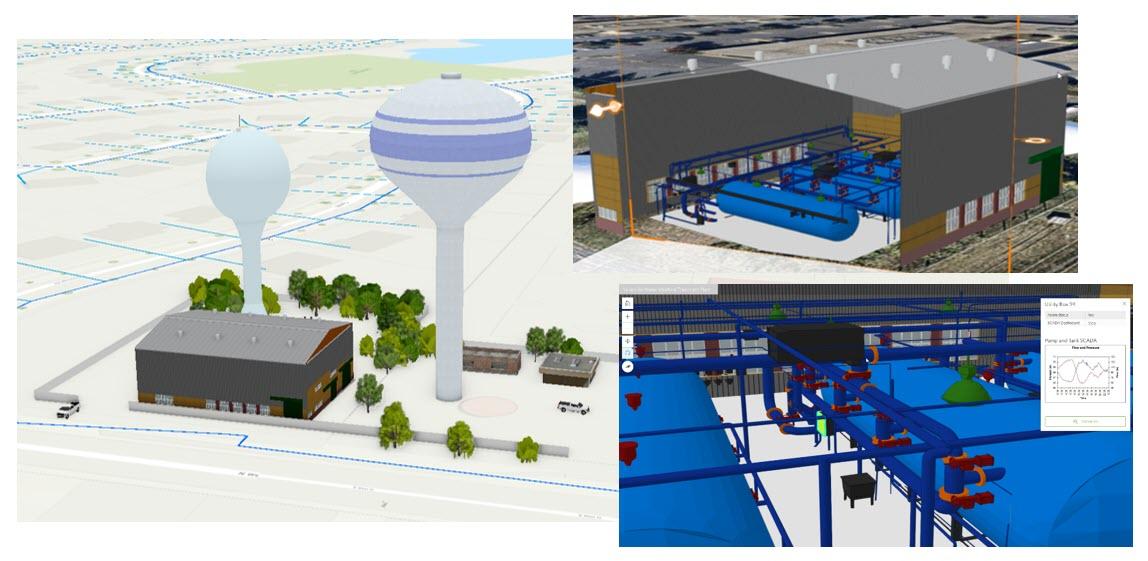
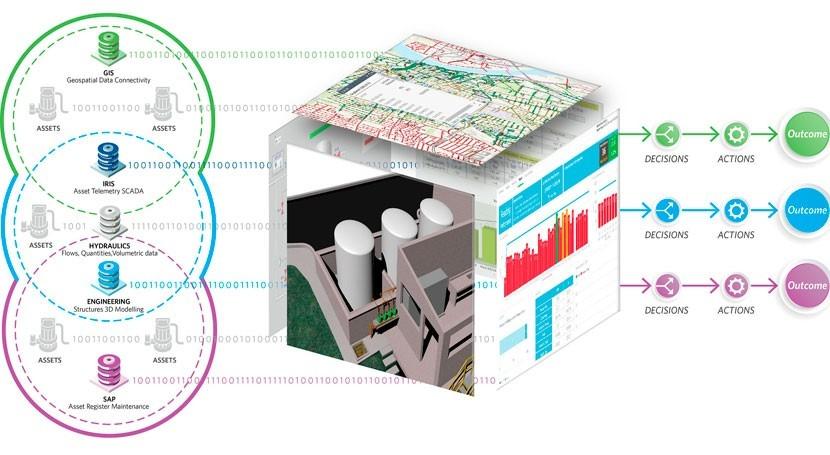
Our AI reconstructs full hydraulic network behavior from minimal sensor data. The digital twin maps every pipe, pump, and valve filling in the blanks between sensor points with physics-informed ML.
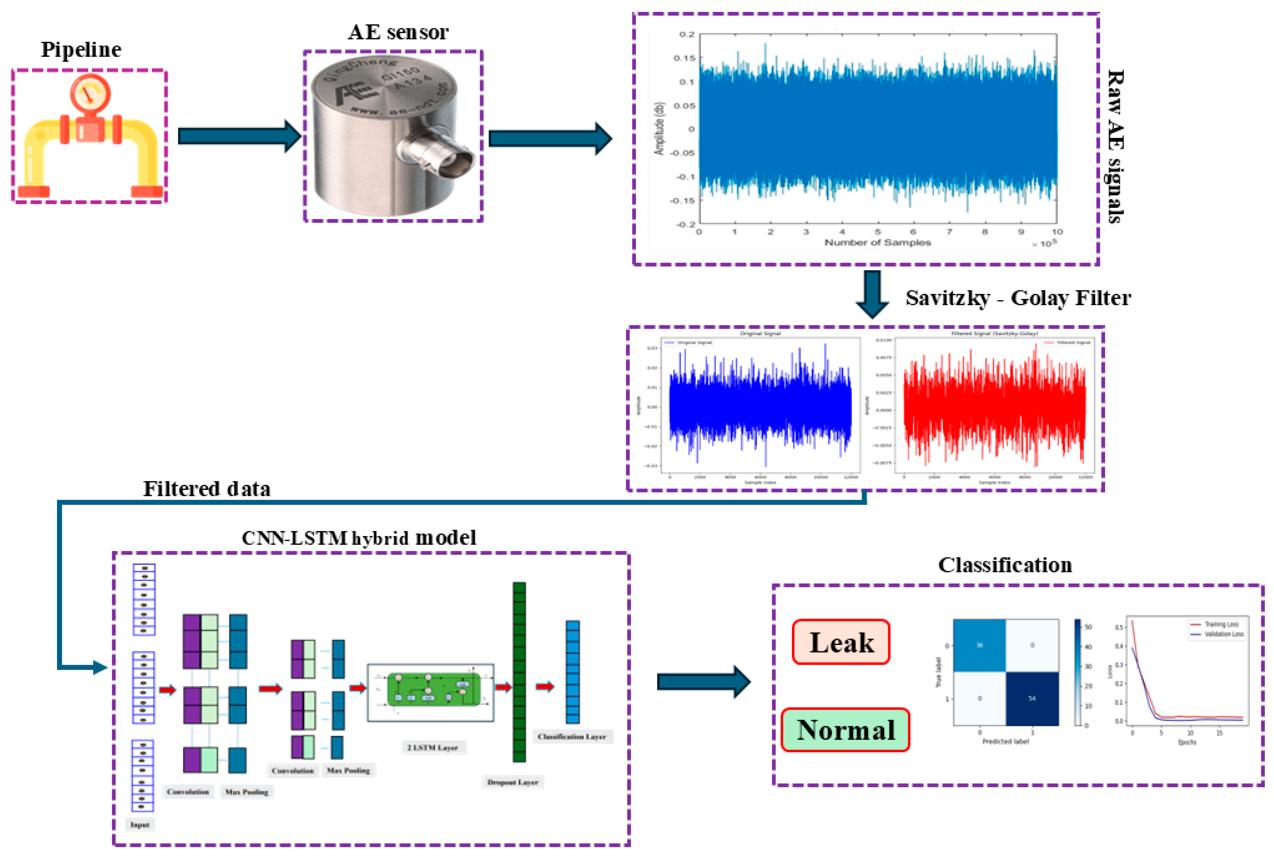
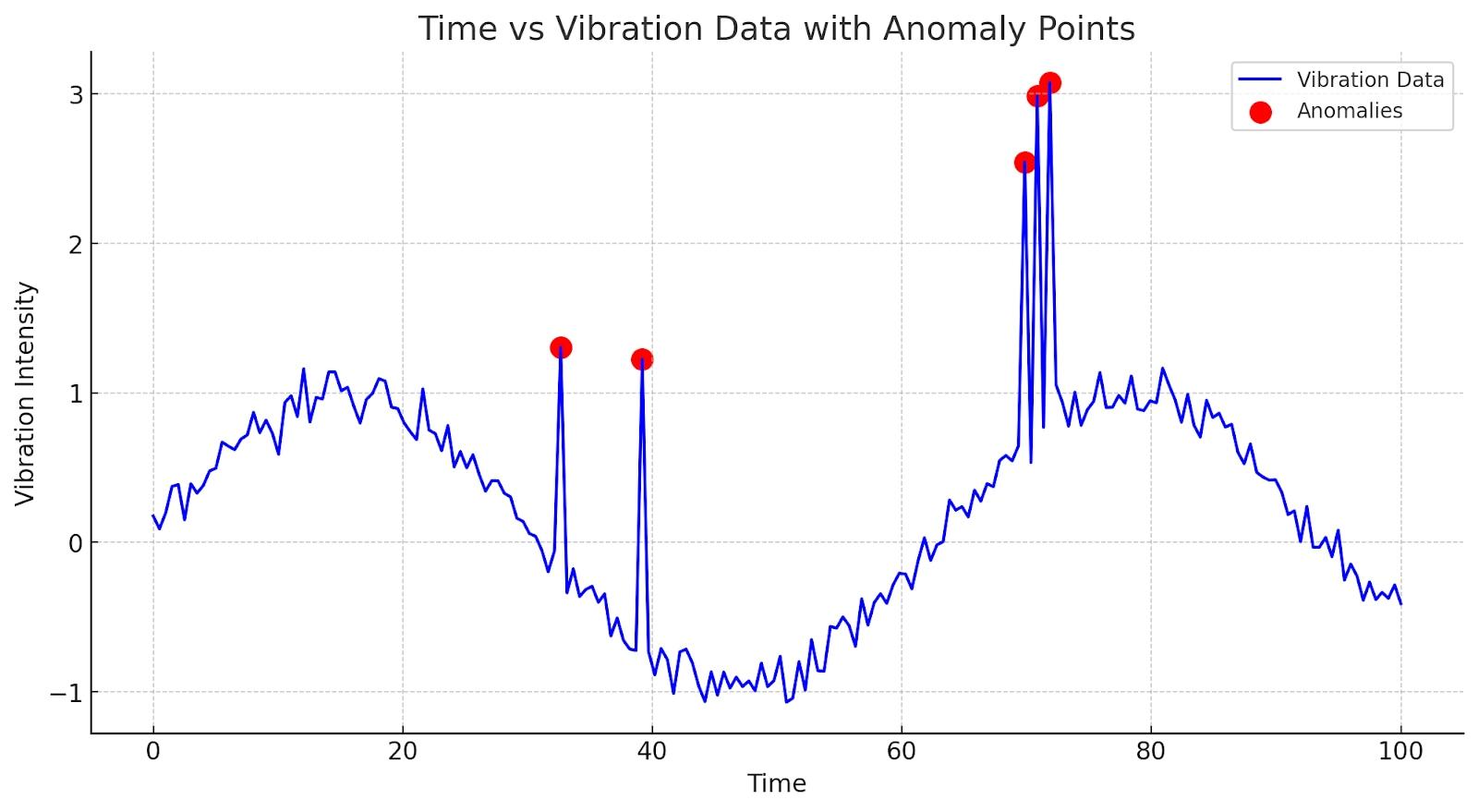
GNN-based criticality scoring flags high-risk assets weeks before failure. Micro-oscillation analysis detects pinhole leaks and bearing degradation invisible to manual inspection.
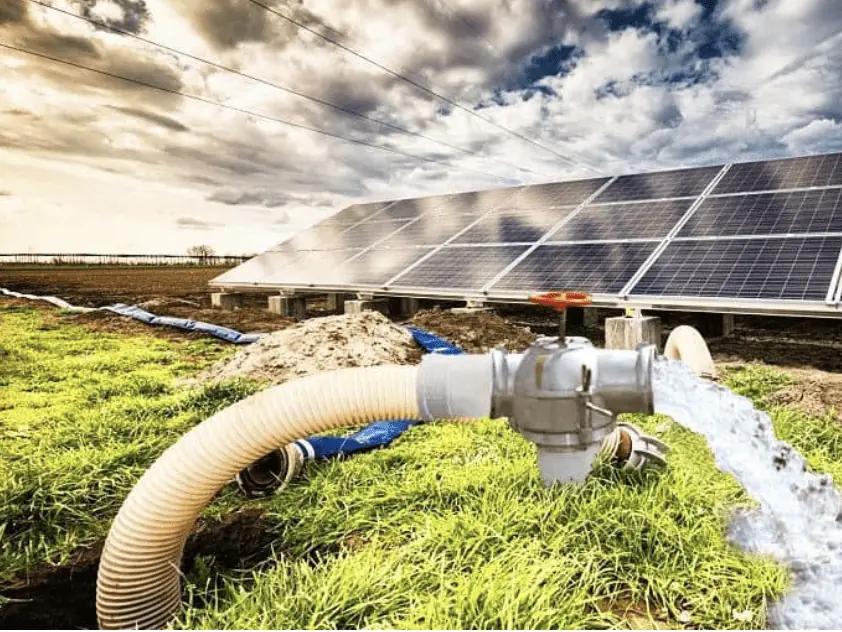
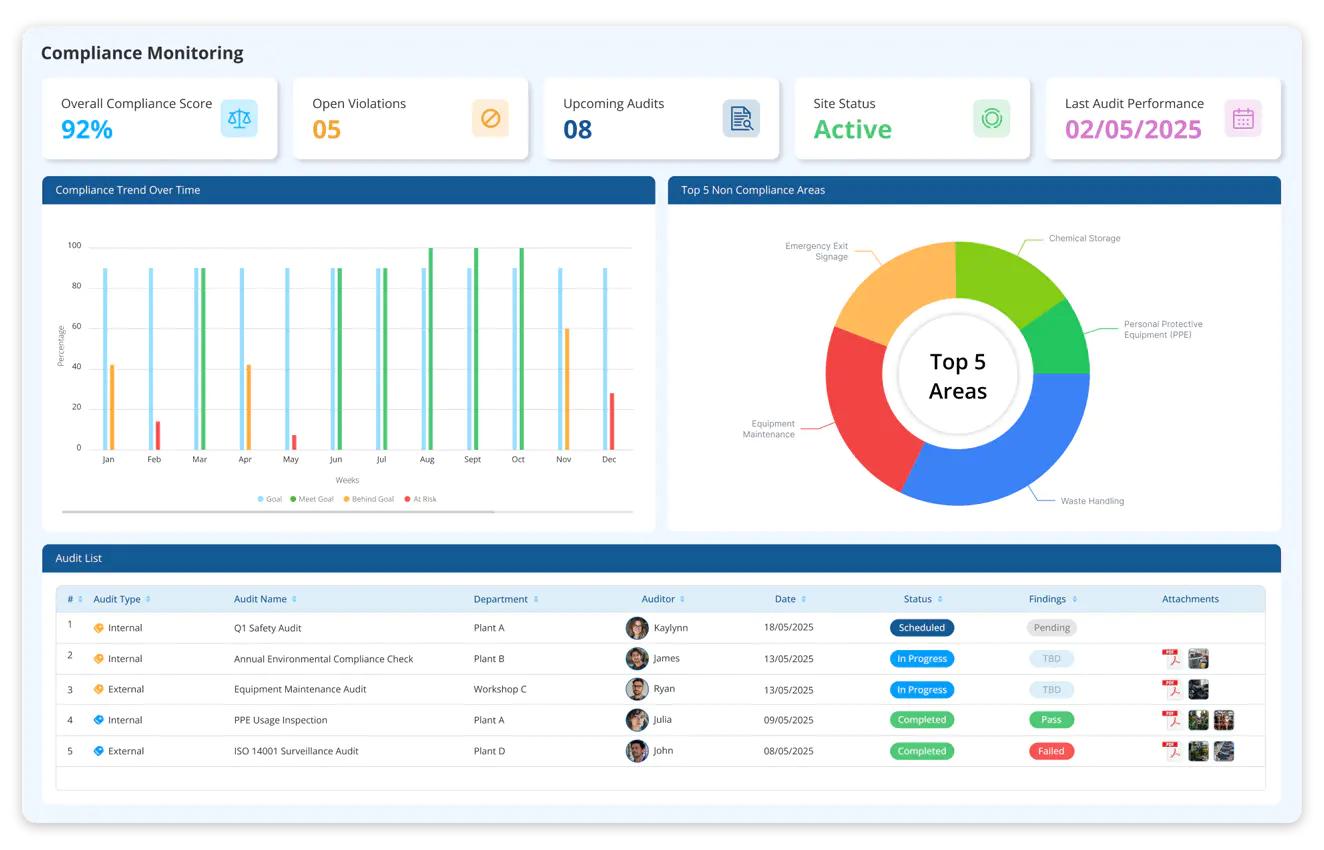
Automated EA abstraction tracking ensures zero fine risk under the 2025 Water Act. Energy-aware load shifting reduces pumping costs by aligning cycles with tariffs and solar availability.
HydraNet combines three proprietary AI modules into a single water asset intelligence infrastructure the only platform that unifies hydraulic criticality mapping, regulatory orchestration, and sparse-sensor digital twins into one network-wide risk score for UK land managers.
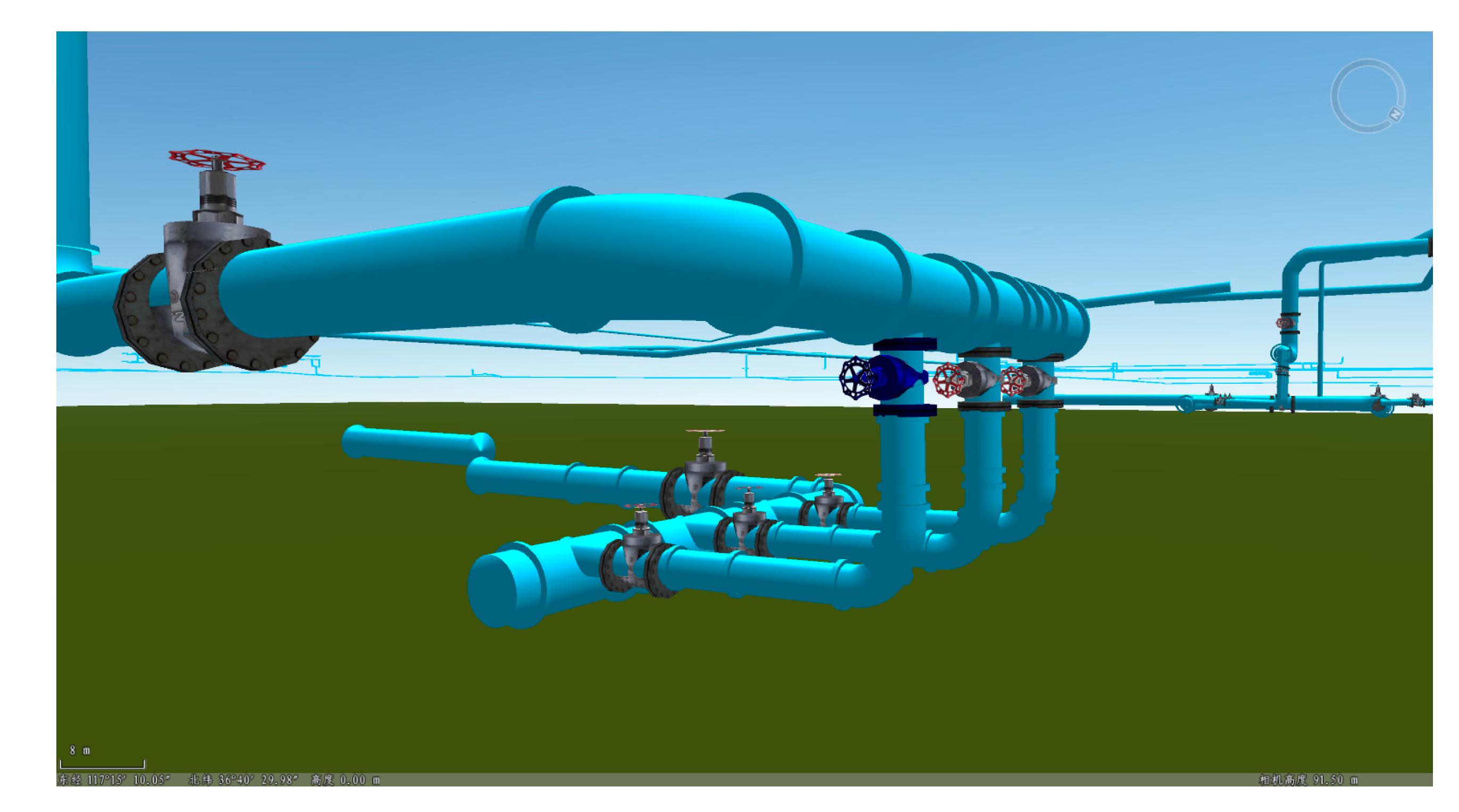
Graph Neural Networks model the entire irrigation network as a dynamic hydraulic graph. A proprietary Criticality Score is computed for every pipe, pump, and valve identifying which assets are mathematically vital to delivery continuity.
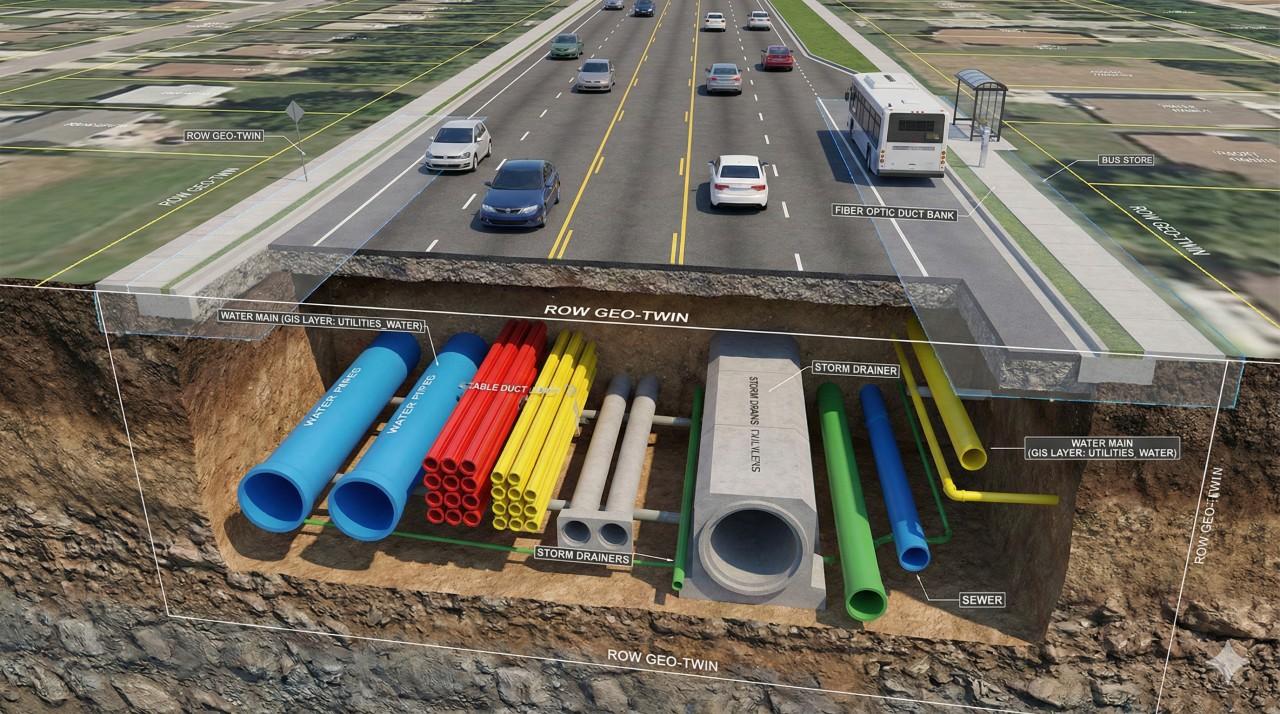
Physics-informed ML reconstructs full network hydraulic behavior from minimal sensor data. The AI "fills in the blanks" between sparse nodes modeling pressure and flow across miles of unmonitored subterranean pipelines at 70% lower hardware cost.
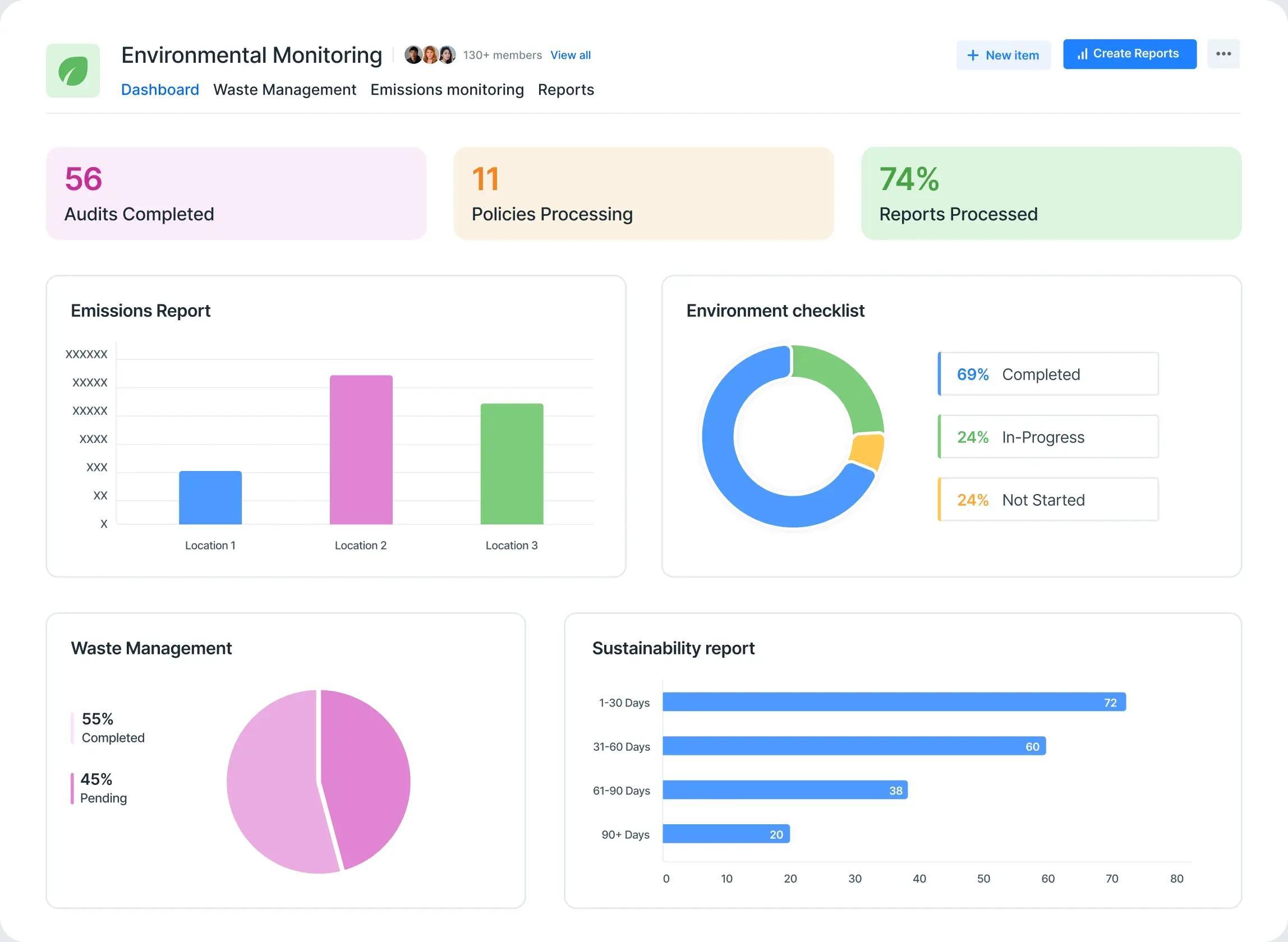
The only platform that integrates the Water (Special Measures) Act 2025 into its core operational logic. EA abstraction licenses are treated as living operational constraints automatically pausing duty cycles to prevent unlimited fines.

HydraNet was born from a critical, observed failure: UK agricultural estates, NHS trusts, and municipal councils manage miles of subterranean irrigation infrastructure with zero network-level visibility relying on manual walk-over inspections, binary "on/off" sensors, and reactive crisis management that consistently fails during peak seasonal windows.
Our platform transforms water infrastructure from a hidden liability into an active intelligence asset. We don't just monitor components we model the entire hydraulic network as a dynamic graph, computing systemic Criticality Scores that tell estate managers exactly which asset failure will cause cascading damage before it occurs.
Founded by an agricultural water management specialist with 11 years of front-line experience including ADB-assisted command area development HydraNet is domain knowledge encoded in AI, built specifically for the UK's 2025 regulatory landscape and the real-world constraints of rural agricultural infrastructure.
Over 11 years of specialized expertise in agricultural water management, irrigation planning, and large-scale project coordination. Former Deputy Director (Liaison Officer) within the Punjab Agriculture Department managing Asian Development Bank-assisted command area development projects, bridging high-level policy with front-line operational execution.
Fawad leads the integration of hydraulic physics with machine learning, ensuring HydraNet solves the specific "blind spot" issues identified during a career managing real subterranean infrastructure. His hands-on approach spans GNN architecture design, failure signature curation, EA compliance logic, and edge-inference optimization for rural environments.
HydraNet is scaling its technical excellence through targeted hires: a Hydraulic Data Scientist to refine digital twin self-calibration algorithms; an IoT Implementation Lead to manage on-site "Lighthouse" pilot validation across NHS and estate partners; and a Data Ethics & Compliance Officer to oversee EA liaison and Water Act 2025 adherence.
All hires are UK-based, leveraging the Government's AI Sector Deal and the UK's world-class ag-tech research ecosystem at institutions including Cranfield University's Water Sciences Institute and the Lincoln Institute for Agri-food Technology.
HydraNet is a hybrid cloud-edge SaaS platform built on a modular architecture React executive dashboards, FastAPI real-time telemetry backend, PyTorch Geometric GNN models, and AWS UK South data infrastructure designed to serve agricultural estates, NHS grounds, and councils without specialist hydraulic engineering expertise on-site.
Graph Neural Networks trained on diverse hydraulic topologies compute real-time Criticality Scores for every network asset. Identifies cascading failure risk a primary manifold fault is mathematically differentiated from a redundant downstream issue.
Sparse sensor data from pressure, flow, vibration, and energy nodes is fused via deep learning to reconstruct full network hydraulic behavior. The digital twin models unmonitored subterranean zones delivering industrial-grade SCADA intelligence with 70% fewer sensors.
EA abstraction licenses are embedded as living operational constraints. The system automatically calculates real-time consumption against daily and seasonal limits, orchestrating pumping cycles to guarantee 100% compliance with the Water (Special Measures) Act 2025.
Proprietary algorithms detect early-stage degradation through micro-pressure oscillation analysis identifying the genesis of failure such as hydraulic hammer shocks, pinhole leaks, and bearing cavitation signatures weeks before physical infrastructure compromise occurs.
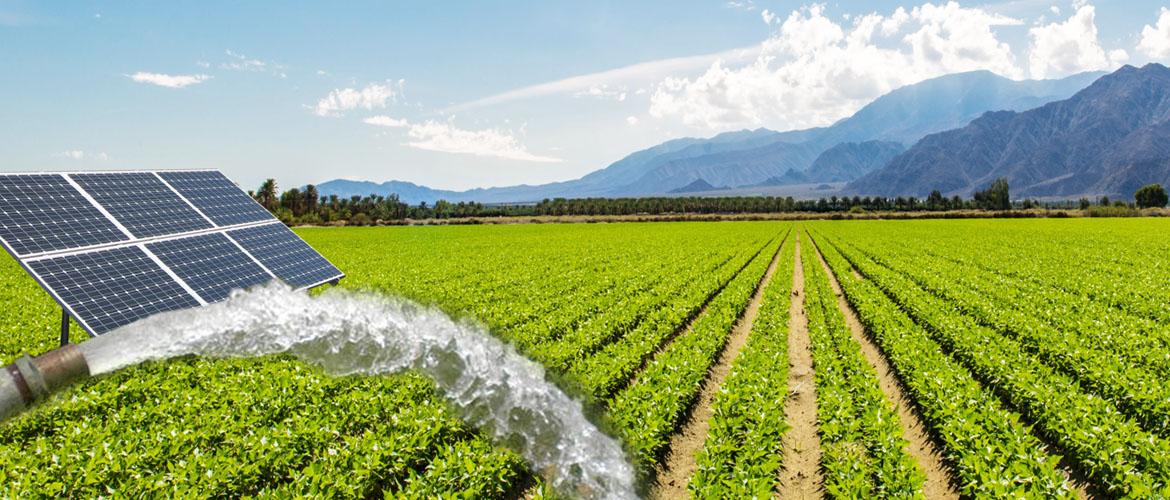
The platform integrates real-time time-of-use energy tariffs and on-site solar array output. An automated "Financial-Hydraulic Optimiser" shifts heavy pumping loads to off-peak hours reducing operational energy costs by 30–40% without compromising delivery schedules.
A unified executive view aggregates risk data from multiple disconnected sites allowing councils managing dozens of park systems or large landholding estates to compare asset health, prioritize CAPEX, and generate portfolio-level EA compliance reports in minutes.
HydraNet's core innovation is a proprietary end-to-end AI framework combining Graph Neural Network criticality mapping, Physics-Informed Machine Learning sparse-sensor reconstruction, GAN-based failure synthesis, and closed-loop regulatory orchestration into a single unified water intelligence platform. No existing patent disclosure combines these five elements for agricultural irrigation infrastructure.
Initial patent filings are being prepared via UKIPO with subsequent EPO and WIPO/PCT international protection covering the core GNN-physics fusion methodology. Trademark protection is being established across Nice Classes 9, 38, and 42 in the UK, EU, and North America.
HydraNet's market is validated by the Environment Agency's 2050 water security projections, the Water (Special Measures) Act 2025 unlimited penalty regime, and a pre-revenue institutional engagement pipeline spanning NHS Trusts, multi-site councils, and large commercial agricultural estates across the UK.
Three subscription tiers designed to grow with your landholding. All plans include the full HydraNet Hydraulic Dashboard, Criticality Engine, and Regulatory Compliance Orchestration. No dense hardware requirements. No specialist IT team needed on-site.
For small commercial farms and single-site council parks beginning to monitor irrigation asset health and EA compliance.
£199For large agricultural estates and professional turf sectors requiring full GNN criticality mapping and digital twin intelligence.
£499For multi-site councils, NHS Trusts, and large landholding portfolios requiring enterprise-grade risk aggregation and 24/7 oversight.
£1,000HydraNet is currently recruiting 5–10 UK Lighthouse pilot partners for a structured deployment programme. We're targeting estate managers, NHS grounds directors, and council facilities leads managing agricultural irrigation networks, hospital grounds, or urban park systems with subterranean water delivery infrastructure.
Get in touch to schedule a live platform demonstration and discuss how HydraNet can transform your aging water infrastructure from a hidden liability into an intelligent, compliant, and cost-efficient asset at a fraction of traditional SCADA installation costs.